
Transform distracted scrollers into highly engaged brand enthusiasts with a new digital experience that leverages smart guidance
The product
A scalable discovery experience designed to adapt to any market without losing brand authority.
My Role
I led this unofficial study from end-to-end, refining the solution through direct feedback from Ferrari employees.
Tools
Design & Strategy
Figma (End-to-end design & interactive prototyping)
Documentation
Notion (Information architecture & research synthesis)
Visual Storytelling
Image & Video editing (Communicating design)
Overview
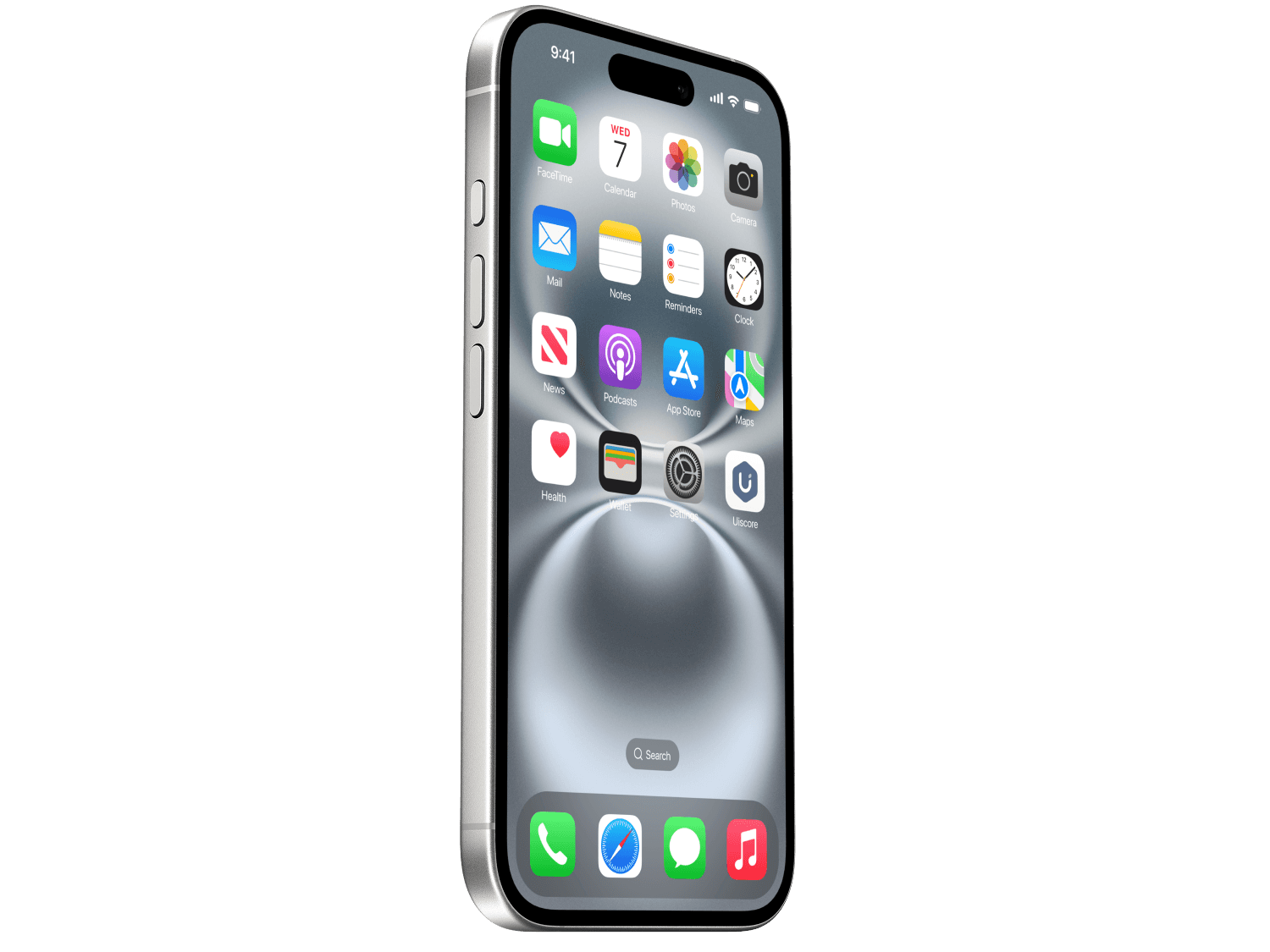
Goal
This project aimed to turn distracted scrollers into brand enthusiasts by solving the war with the shrinking attention span
Goal
Pain Points
29% Churn
Almost one in three users abandon platforms due to poor UX, walking away after a single bad experience.
This generates a massive drain on conversion.
source → PwC, 2025 Customer Experience
Target Mismatch
Forcing different users (e.g., high and low income) into the same experience fails to extract value from either.
This "one-size-fits-all" UI becomes a scaling bottleneck for global, multi-tiered brands.
Pain Points
Methodology
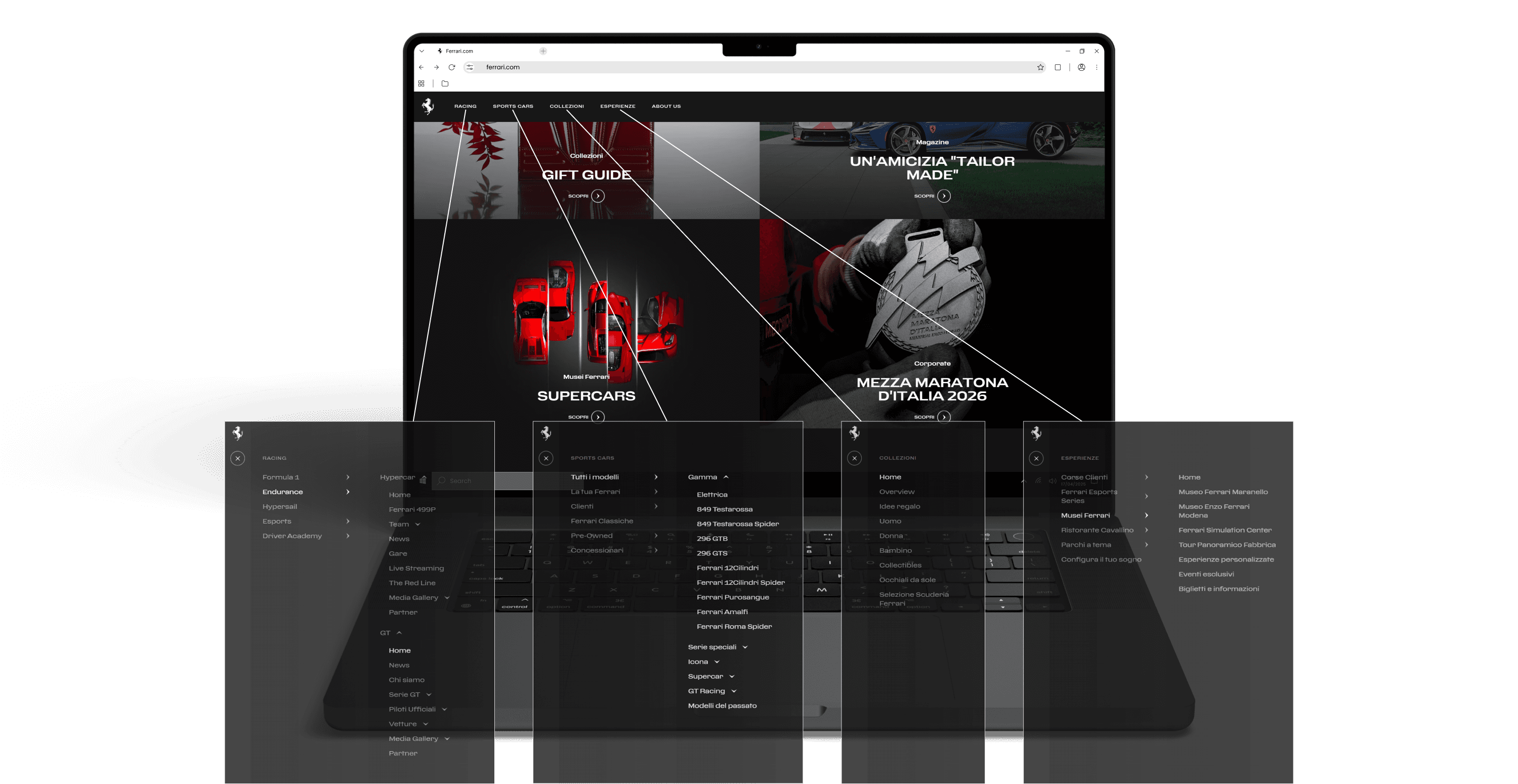
Analyzing the Ferrari ecosystem through a Heuristic Evaluation made it immediately clear that the current design was working against the user.
The homepage was cluttered.
45+ interactive
elements
A volume that drown users in cognitive overload; instead of being guided, they were paralyzed by noise.
Methodology
Comic - The old Way

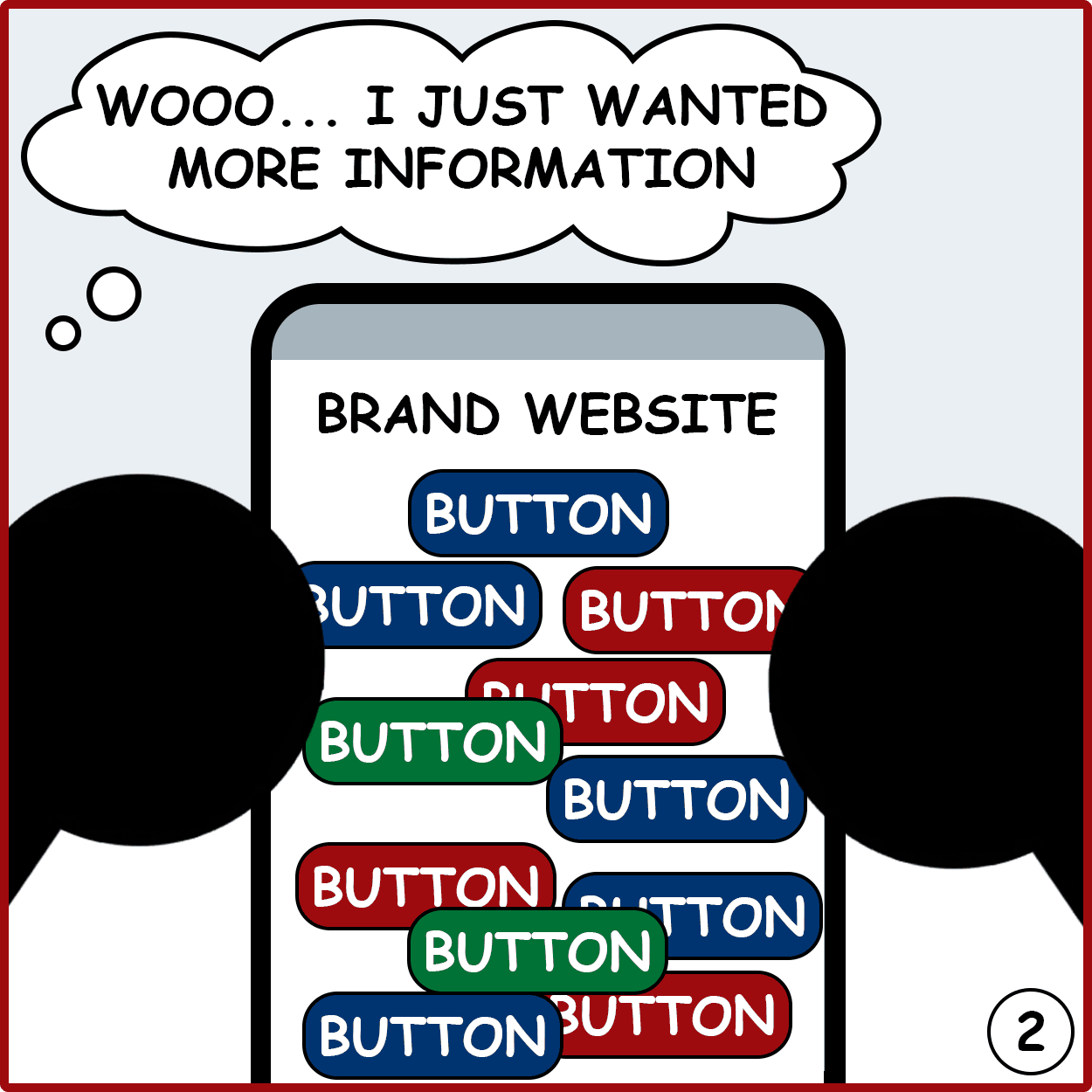

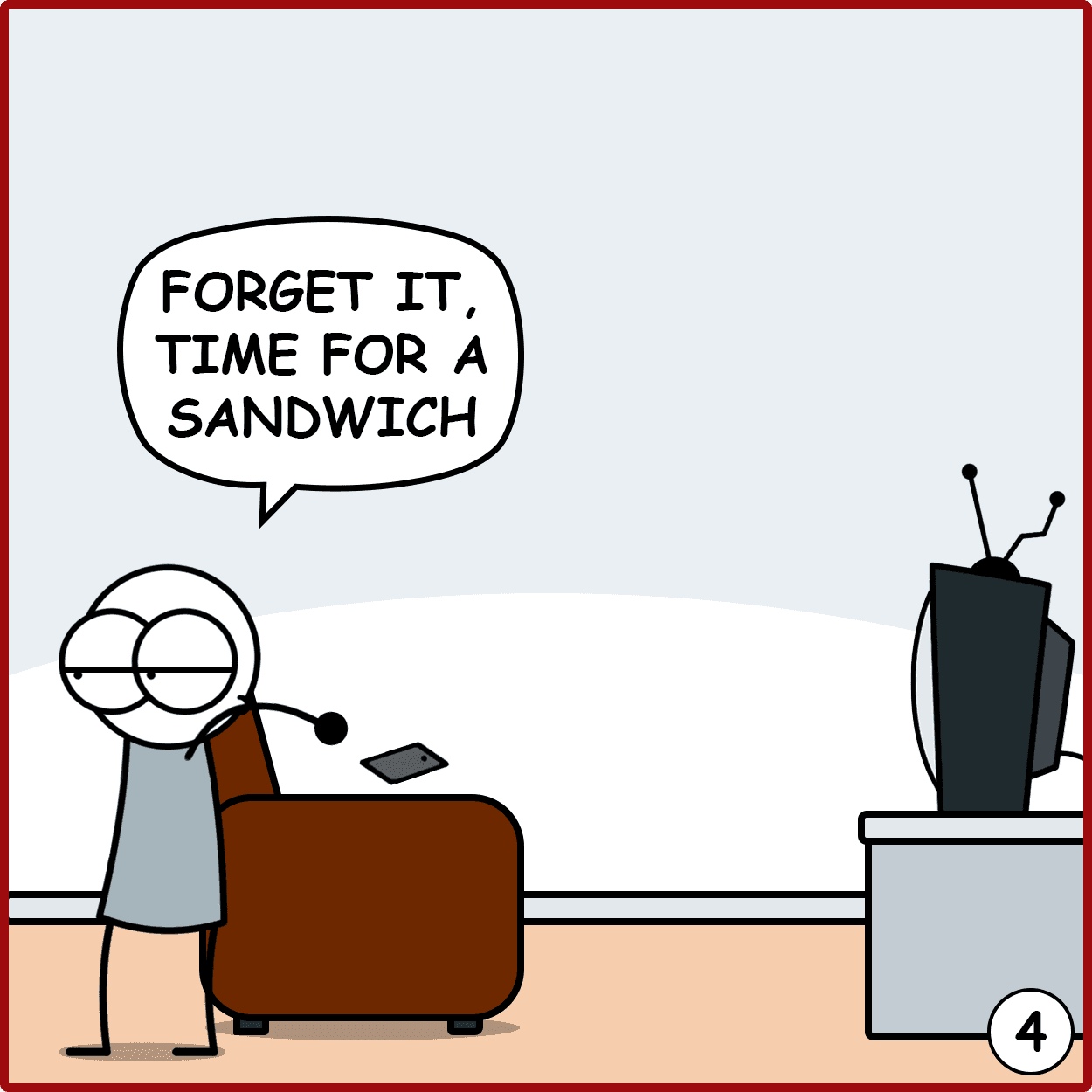
The old way
Rationale
The strategy aimed to protect the brand perception through a guided flow that respects the user's time and intent, replacing a "broadcast" model cluttered with digital noise
Rationale
Design the solution
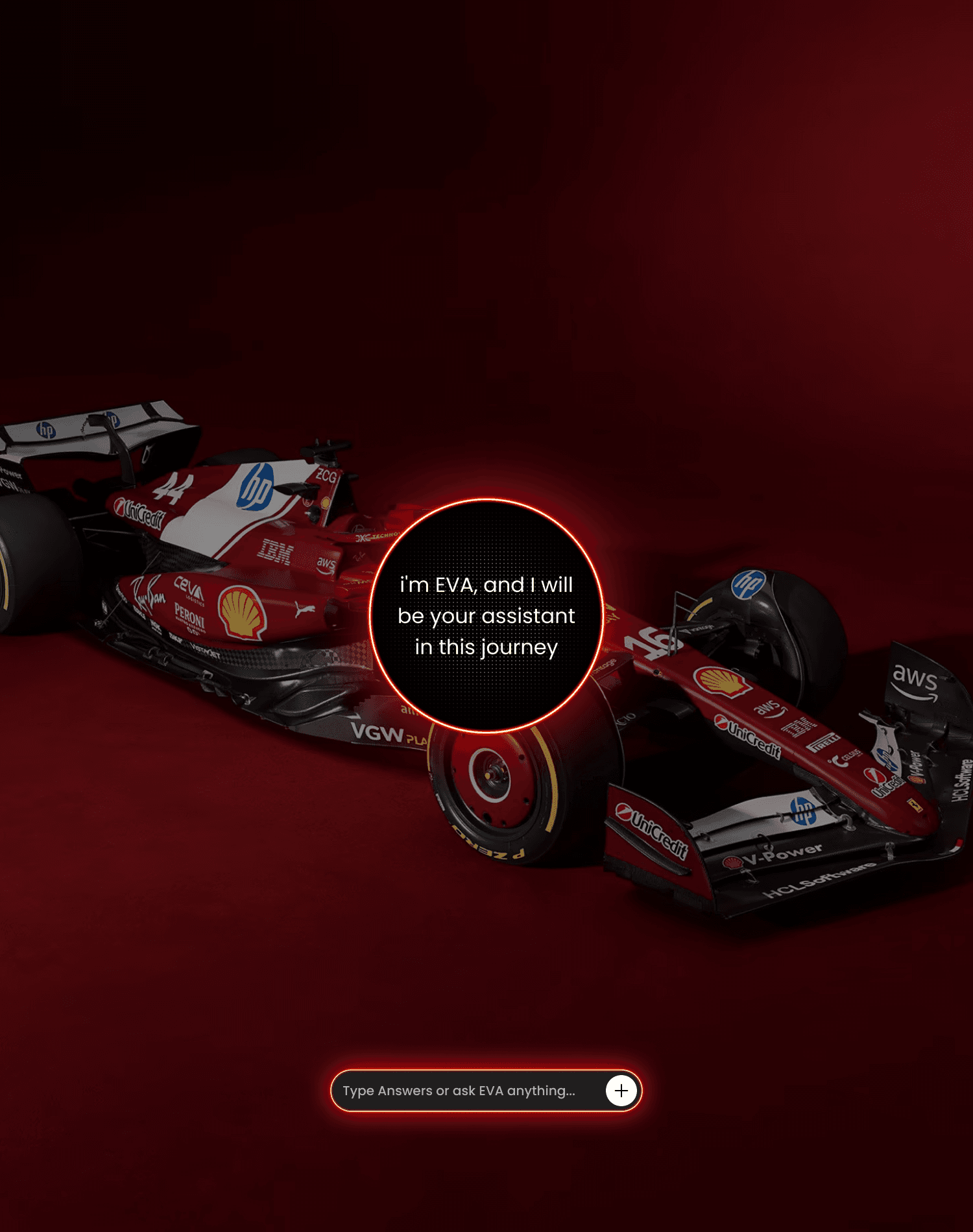
AI-Driven concierge
Complex menus were replaced by a guided onboarding that talks to the user.
Why it works:
Mitigates decision fatigue by transforming searches into a conversation.
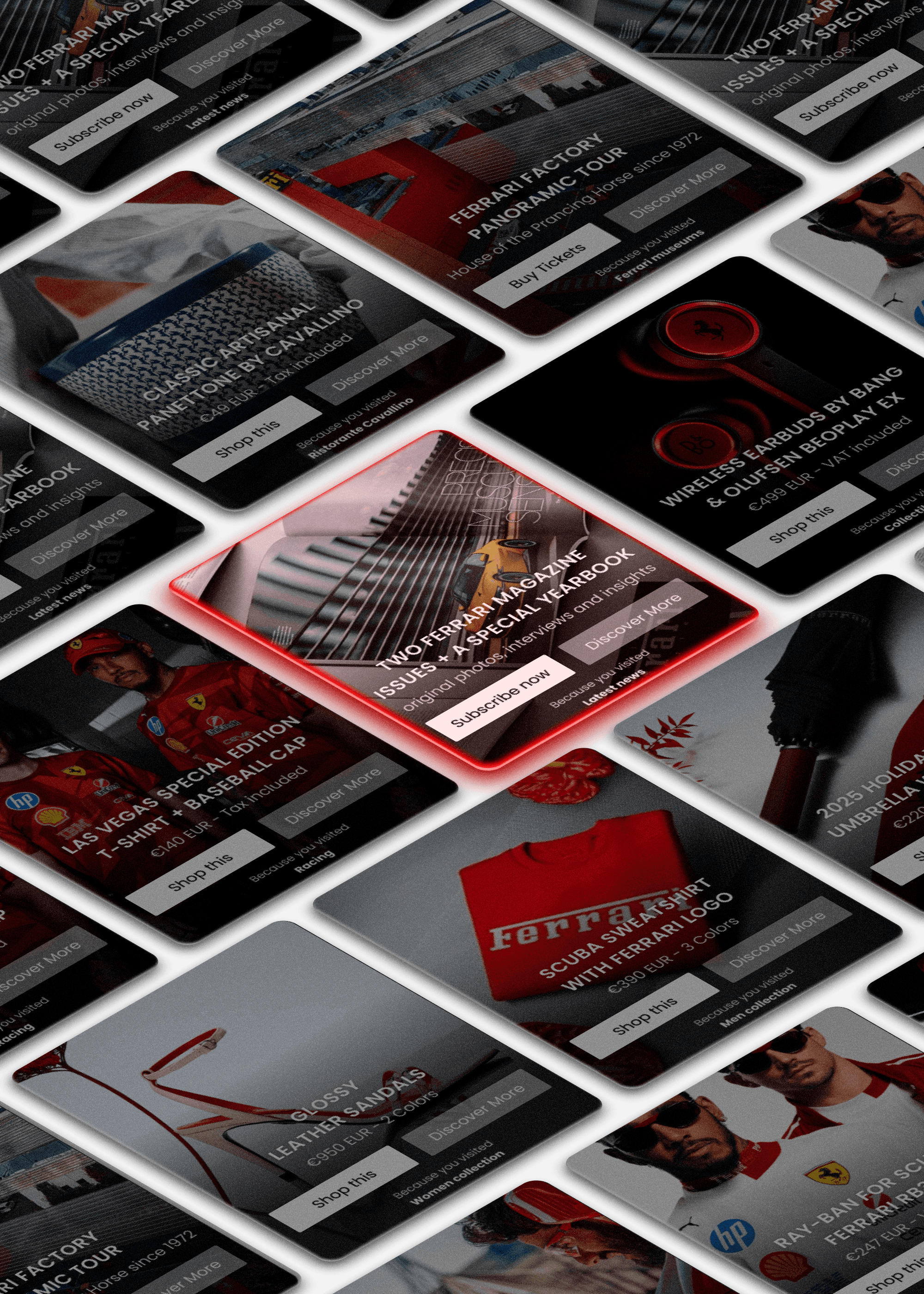
Contextual engine
A smart backend recognizes interests across Racing, Lifestyle, or Cars.
Why it works:
Replaces "One-Size-Fits-All" with real-time intent logic.

New design system
Visual clutter was eliminated through high-contrast, responsive layouts.
Why it works:
Ensures every interaction remains highly relevant and friction-free.
Design the solution
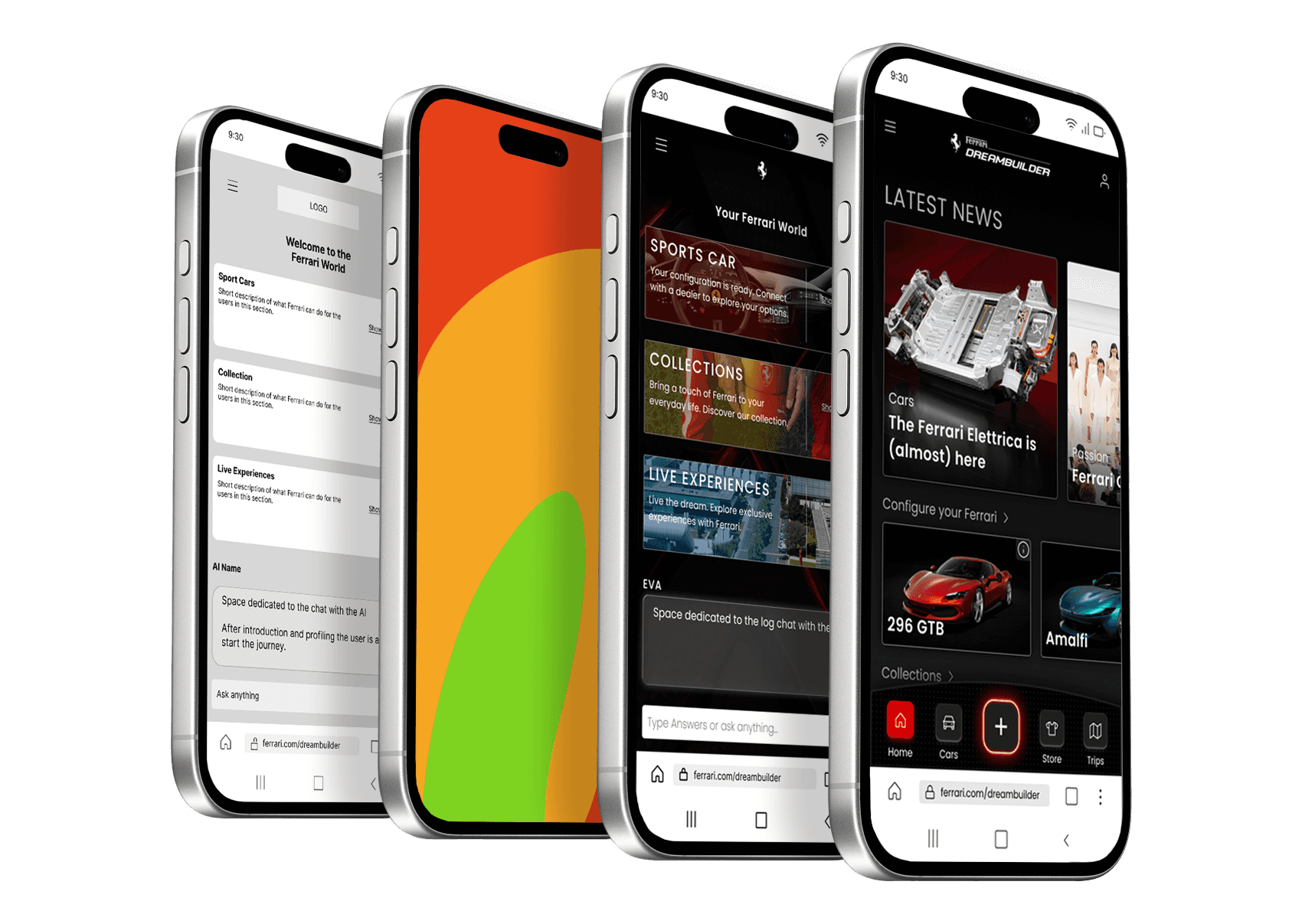
The abrupt mobile challenge
+70% traffic share
Sticking with the current desktop-first framework would have alienated 70% of the audience.
I executed a mid-process reversal to prioritize mobile—the primary market share that defines actual user behavior.
Designing for a smaller screen also forced the simplification needed to eliminate cognitive overload and unlock previously underserved revenue streams.
The abrup challenge
The prototype
Comic - The new Way

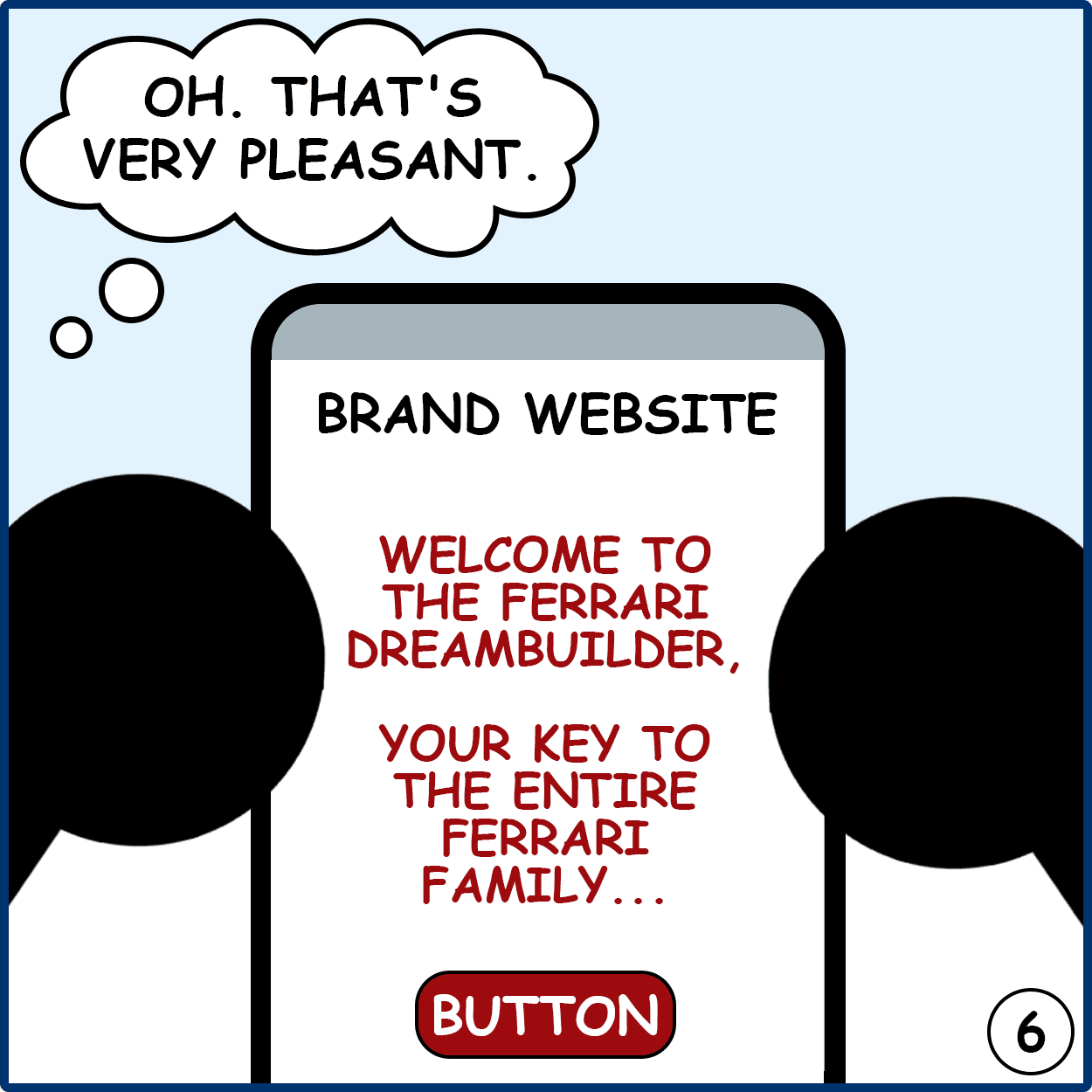
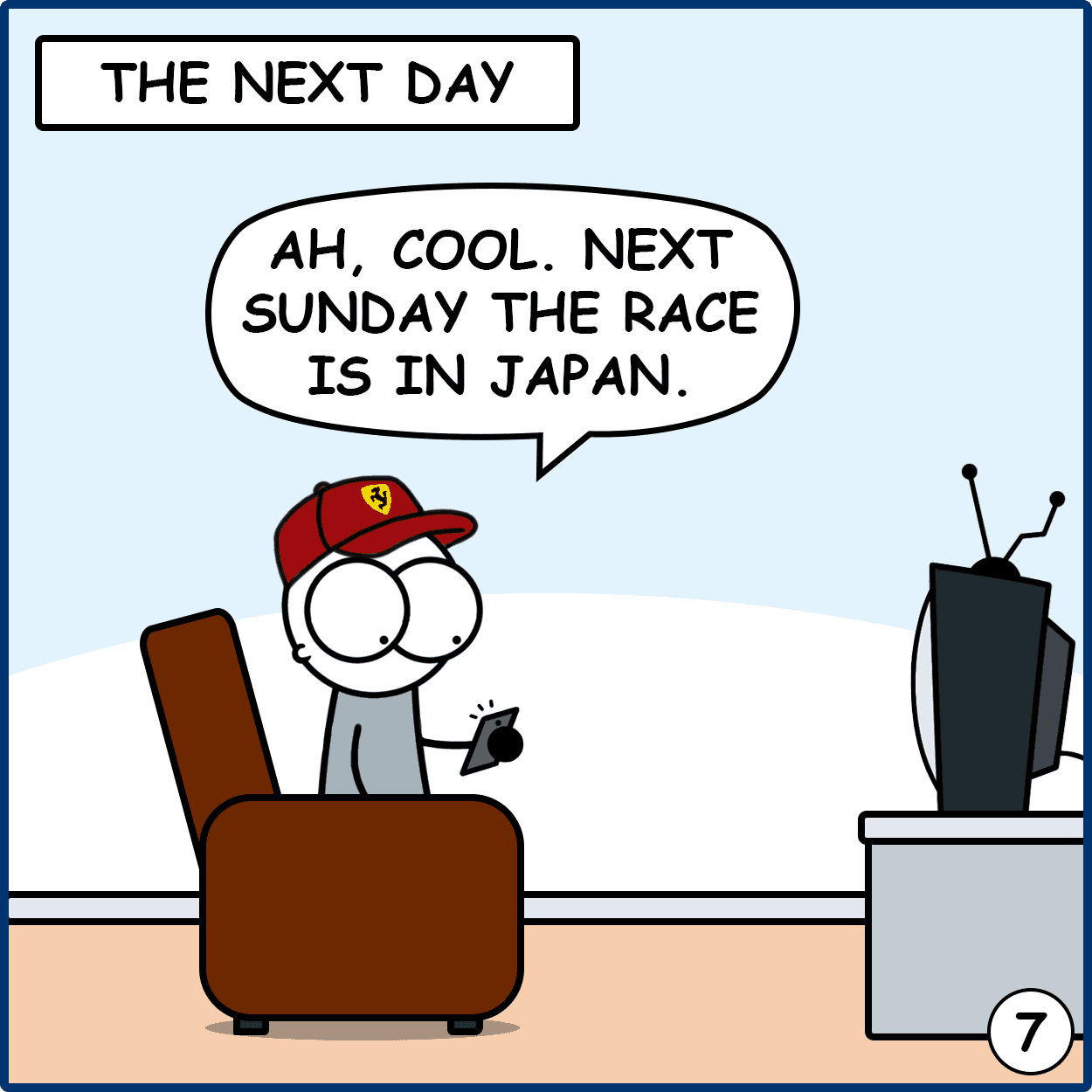
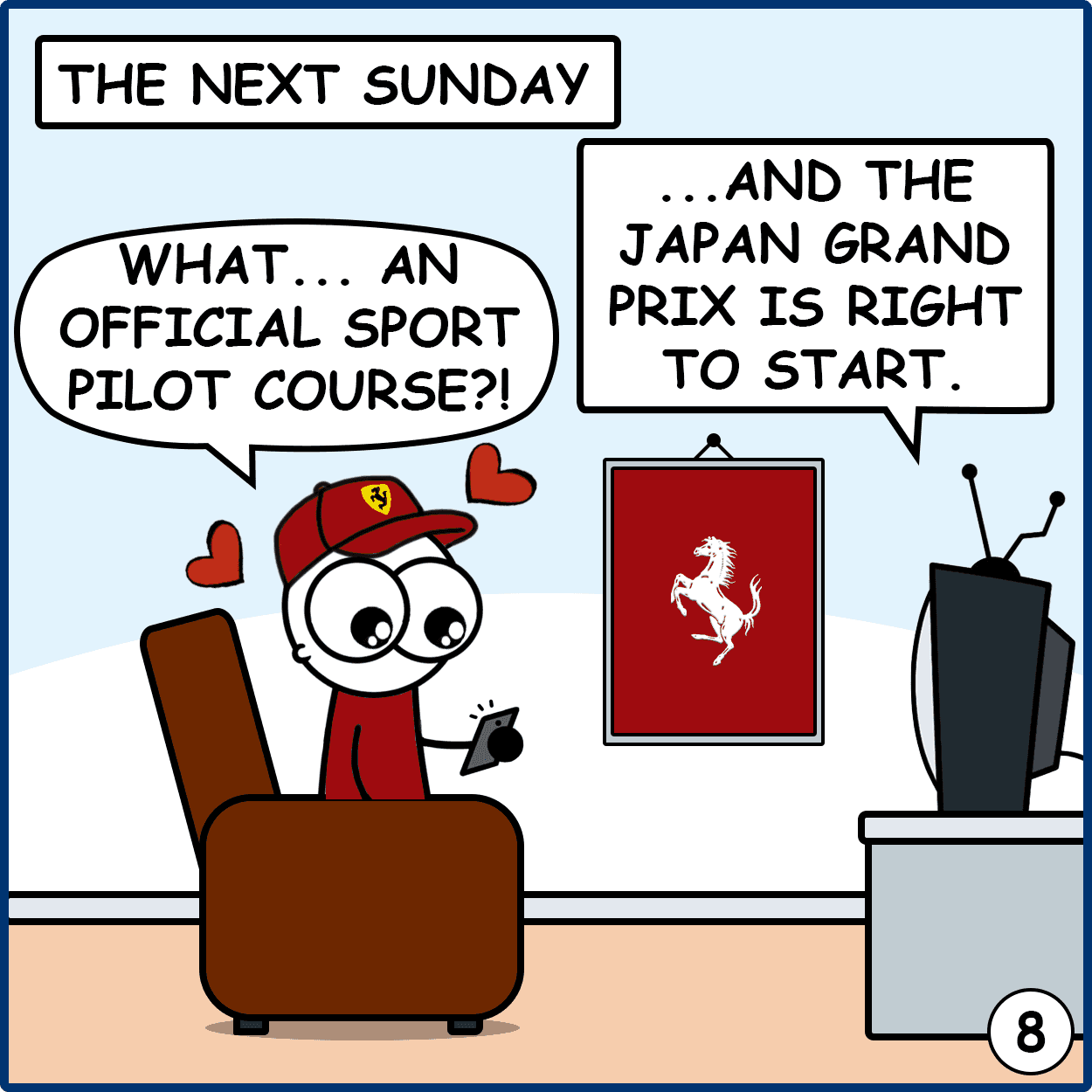
The new way
Outcomes
1
From 45+ UI elements to clarity
Reduction of cognitive overload by:
New design system
AI-Driven concierge
Solution
29% churn rate neutralized
2
From “One-size-fits-all” to specificity
Shifting to an adaptive architecture by:
Contextual engine
Solution
Maximized sales intent through relevant CTAs
3
Aligning with real audience behavior
Focusing on 70% of global traffic by:
A Mobile-first design
Solution
Unlocked an underserved revenue stream